The trust recession
“We're in a trust recession.”
I've heard this several times over the last few months.
People's waning trust in big brands, media and world leaders is real.
And no wonder. It's driven by misinformation, scepticism and failed expectations.
Leaders that are failing us
Marketing that reeks of AI
Brands that say one thing and do another
So how do we repair this?
It starts with us.
The indie brands.
The micropreneurs.
The conscious leaders of the world.
Our humanity is our advantage.
But you can only start to trust others if you start to trust yourself.
Trust in your ideas
Trust in your point of view
Trust that your voice matters in a noise world
Not by relying on podcasts, books or AI to give you the answers or argument.
But by bringing your lovely, messy human-ness* to all that you do.
*h/t Beth Derry
“Building trust is probably the most important work anyone can be doing right now.”
Chris Danton, IN GOOD CO
Analogue Intelligence
I was listening to an interview with Gary Vaynerchuk the other day.
He was talking about what he was seeing in the startup world and had this to say:
“We're about to see the explosion of analogue. We're literally within a half decade of not believing a single video that's on the internet. In 5 years, if we're having this interview, most of the audience is trying to figure out if we're real or not. That is very real, and has substantial counter-opportunities.
Extreme AI is creating extreme analogue.
I could not be more interested in physical retail, event-driven businesses. There are a lot of interesting non-digital realities that are coming as a countermove to the insanity of AI advancements.
Any real entrepreneur, they're not crying about AI killing them. They're curious about how AI at scale is going to create opportunity for them.”
There's evidence of this happening:
Tech firms like Tinder and Timeleft are embracing IRL and offering experiences such as matchmaking dinners, raves and pottery classes.
Communities like Concord and Blume are connecting analogue community builders.
I see this closer to home too. My 15-year-old has become obsessed with vinyl. Sales in the UK reached a 30-year high in 2025.
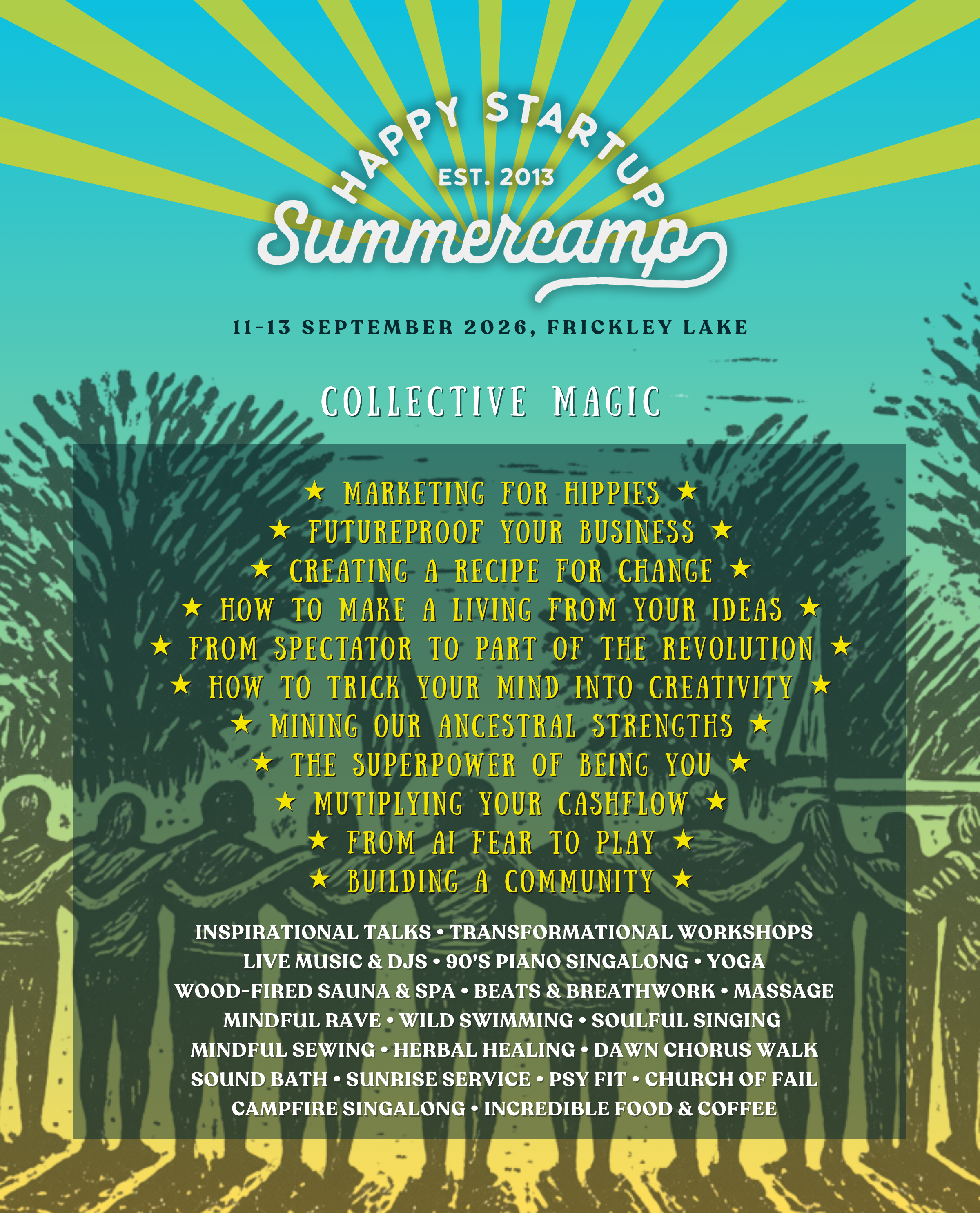
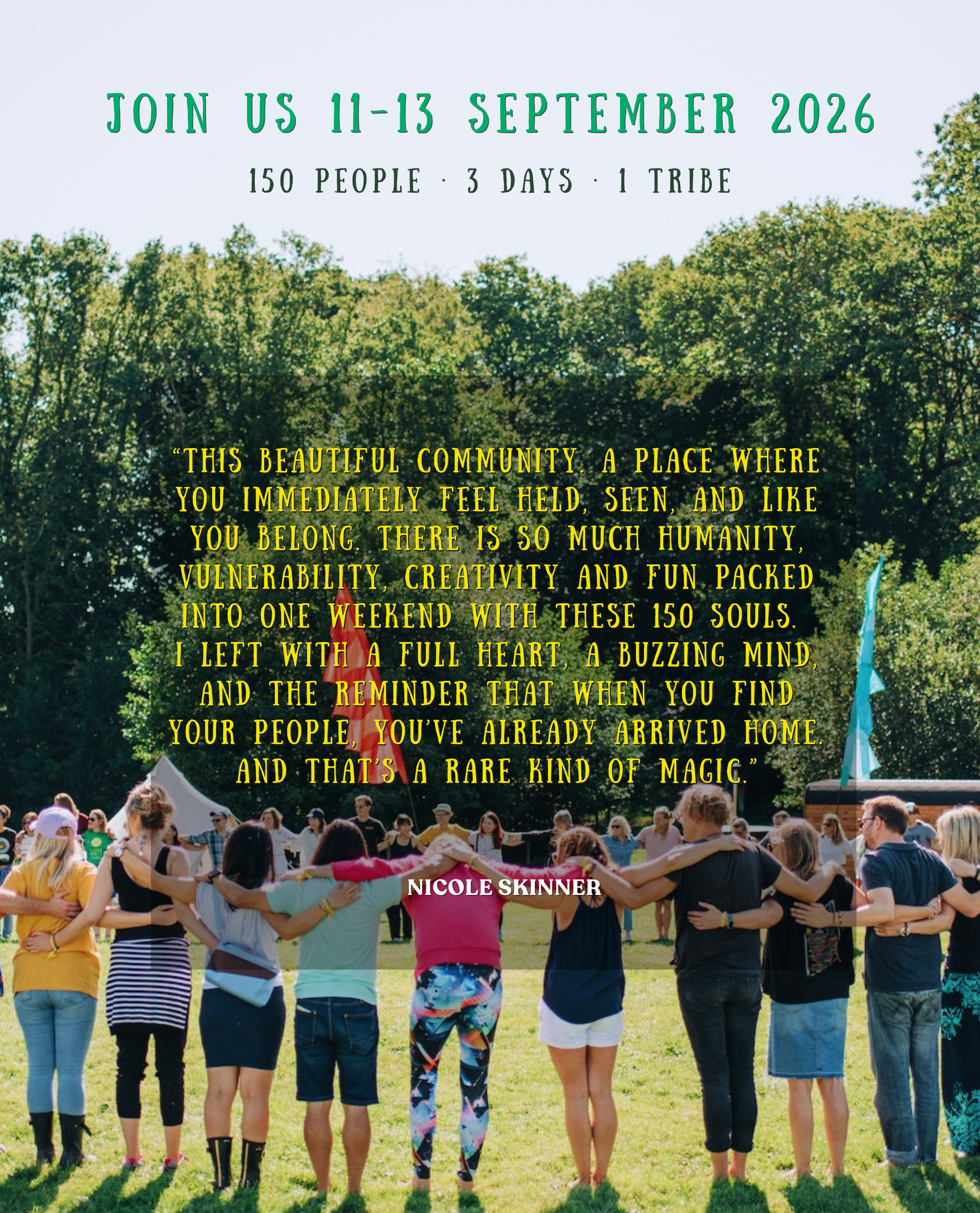
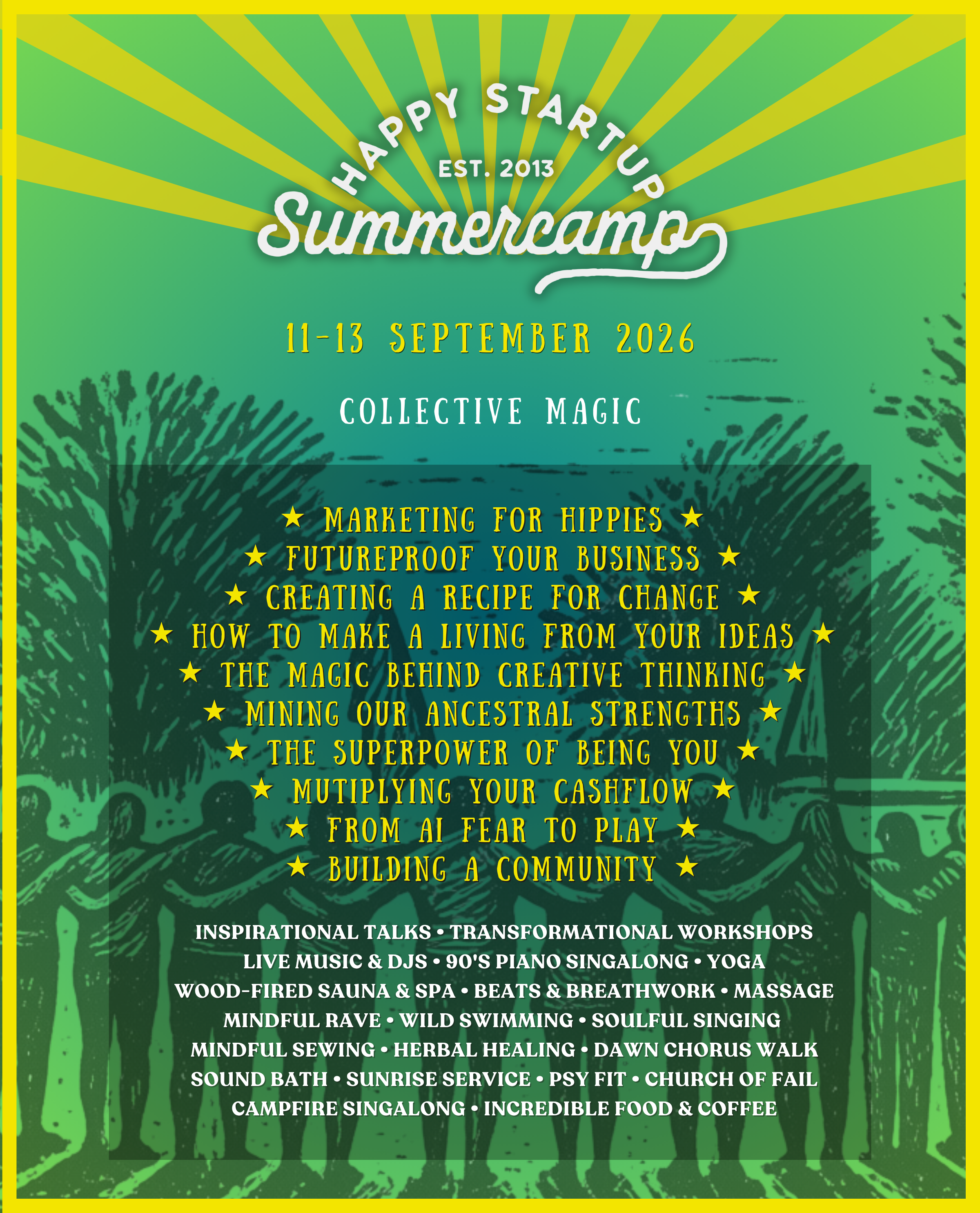
And there's never been more interest in our in-person gatherings like Summercamp.
I see a few things at play here.
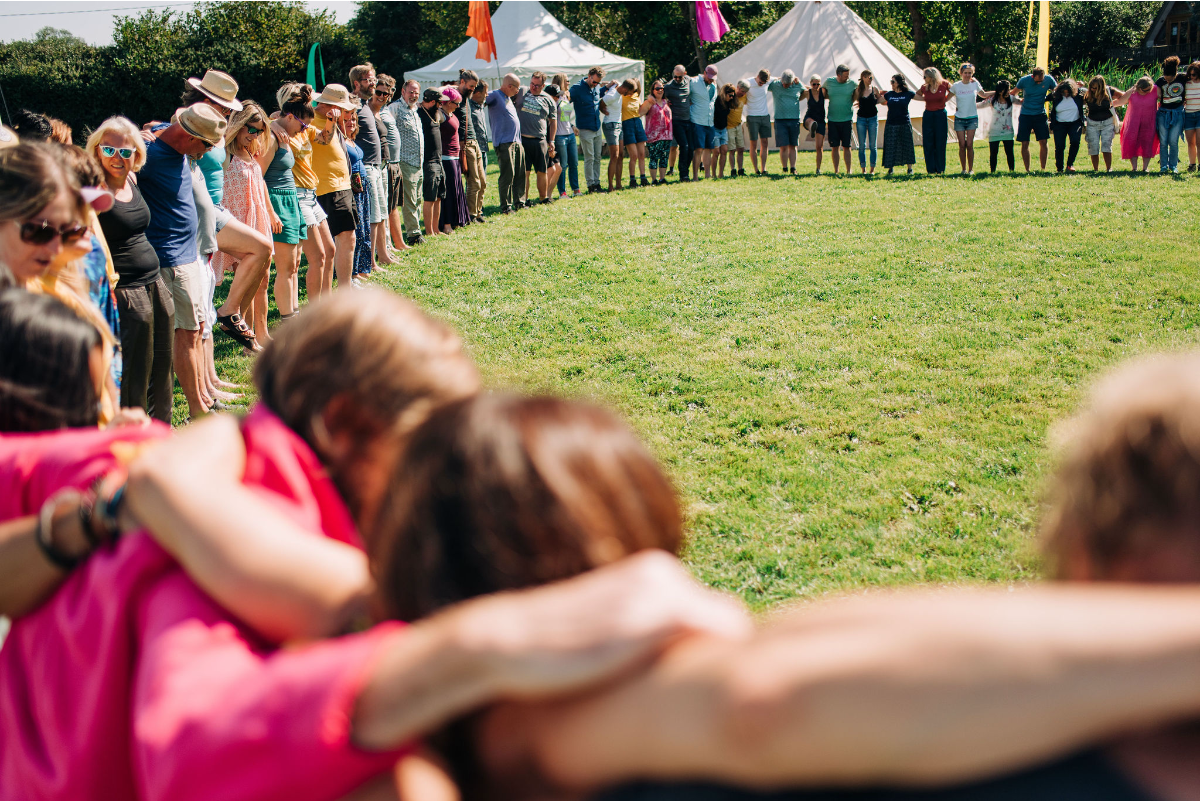
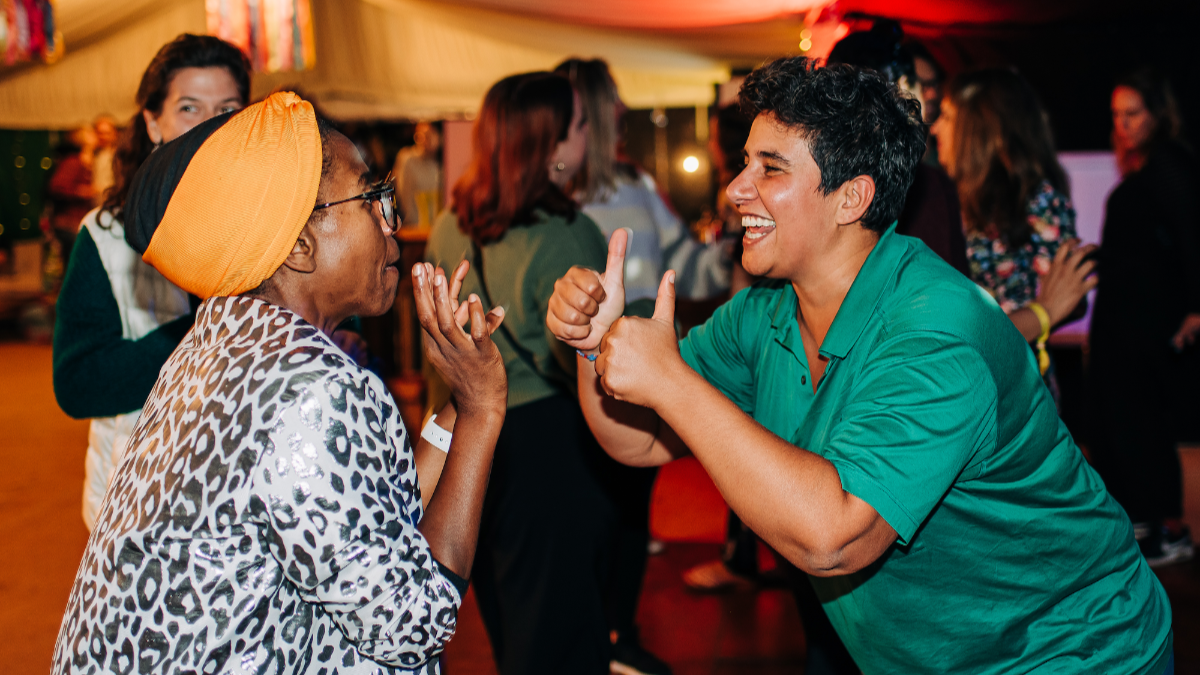
We crave live experiences after spending so much time on screens. We want to feel the experience of being together. Especially post-Covid, the collective effervescence that occurs is something we appreciate more now.
We cravedeeperrelationships with a few, not surface-level talk with hundreds. Intimate in-person experiences are like a trust accelerator.
We crave integrity. We're sick of people saying one thing and doing another. We want to surround ourselves with real, authentic role models and peers.
We crave awe. Nature, music, the arts, incredible food, architectural beauty, stories around the campfire These are things we have to experience with our whole bodies, not just our eyes and ears.
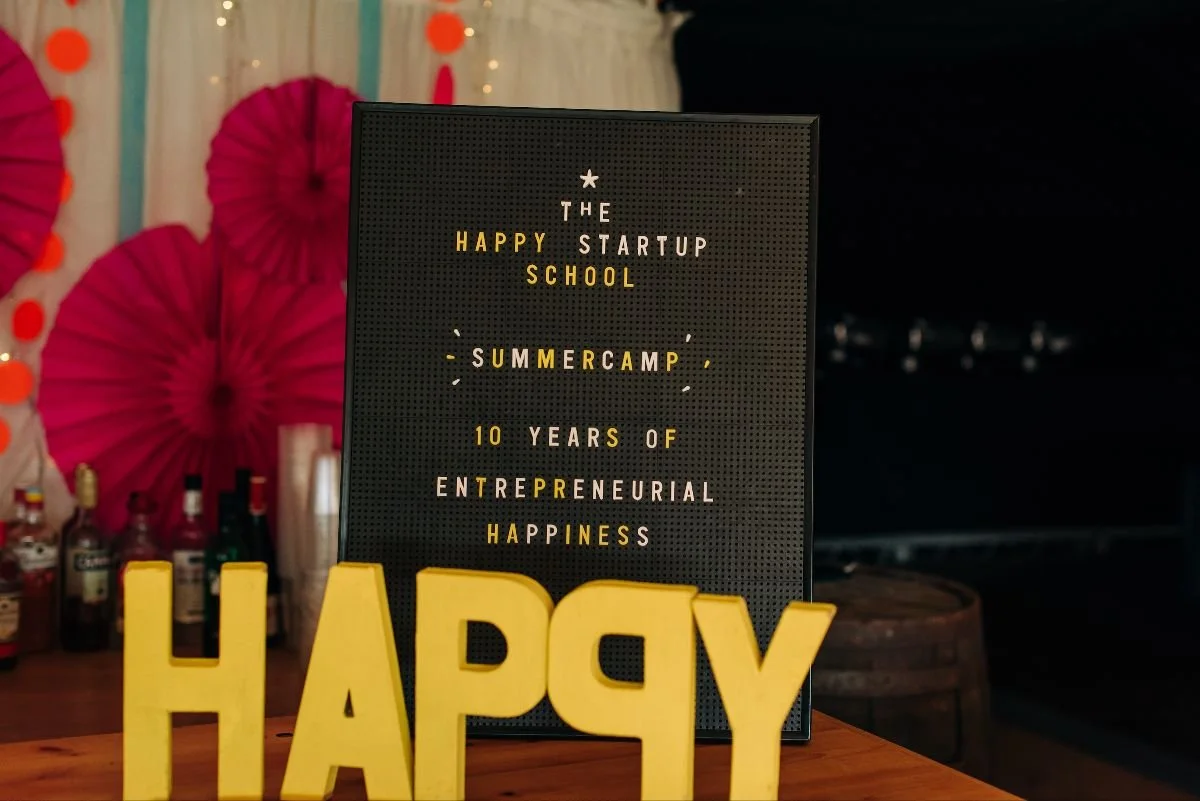
So could we be returning to simpler, happier times? I hope so.
What I do know is that trust gets built through real relationships.
Through words from humans.
Through showing up congruently.
This can happen online, but it's getting harder. An explosion of content means it's harder to get discovered.
And even if you do, audiences are understandably becoming more sceptical.
So when thinking about your offers or marketing, do you choose online or offline?
Maybe you don't have to choose. Over a decade of iterating, we've found a happy medium - a blend of both, in fact.
Online offers like Happy MBA and our membership that fit around busy lives and mean we can reach anyone, wherever they are in the world. This is where the real work and integration happens year-round.
We've found hosting live events builds trust through gathering in real time. Whether our live Friday Firesides or our monthly community calls, these are about connection, and we see the same outcomes as the in-person events.
Our newsletter has been our most effective route to reach people like you. Email isn't sexy, but it's not going out of fashion anytime soon. It's how we build a relationship and it's served us well for 13 years. Other platforms come and go, but email is like an old trusted friend - reliable, consistent and loyal.
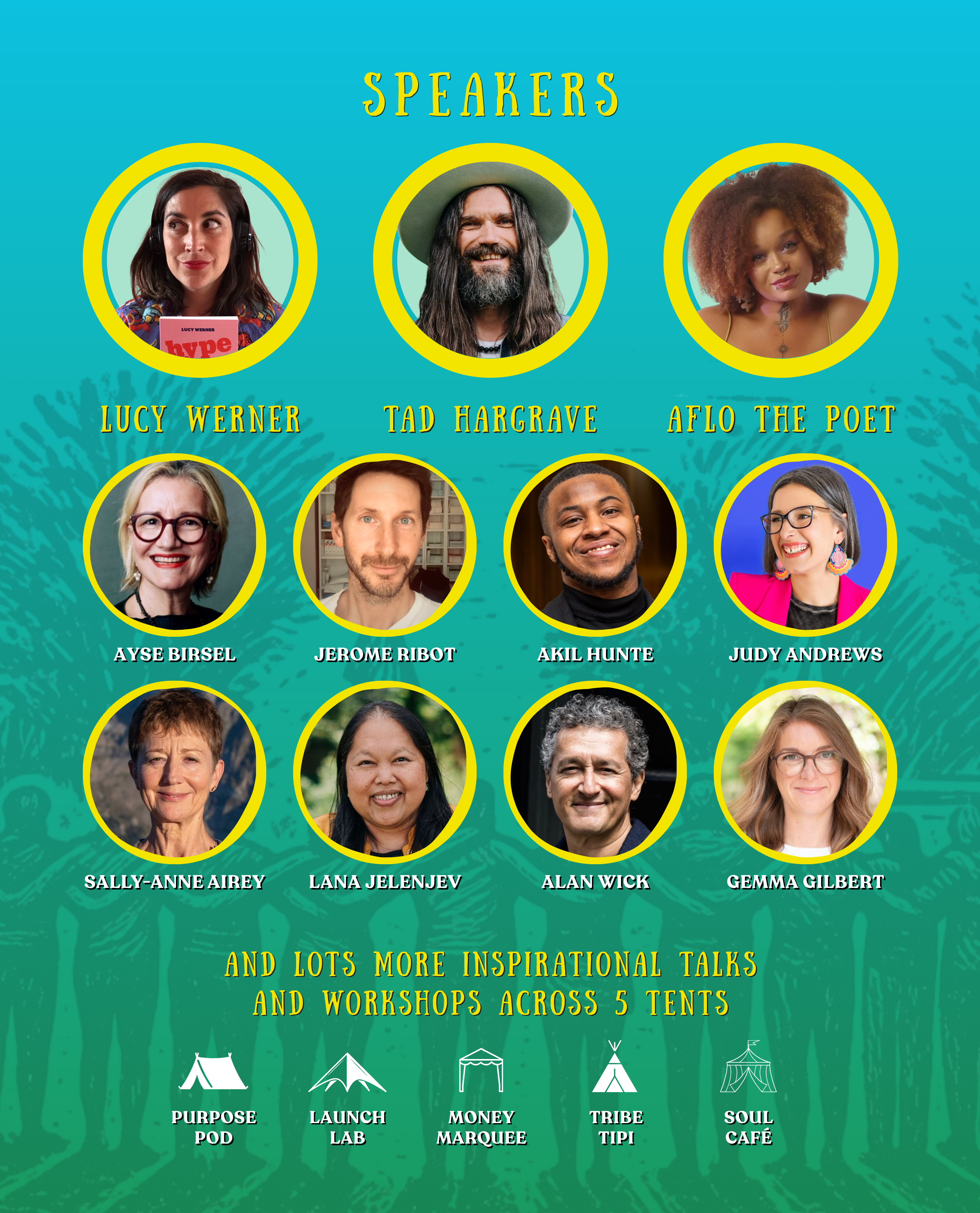
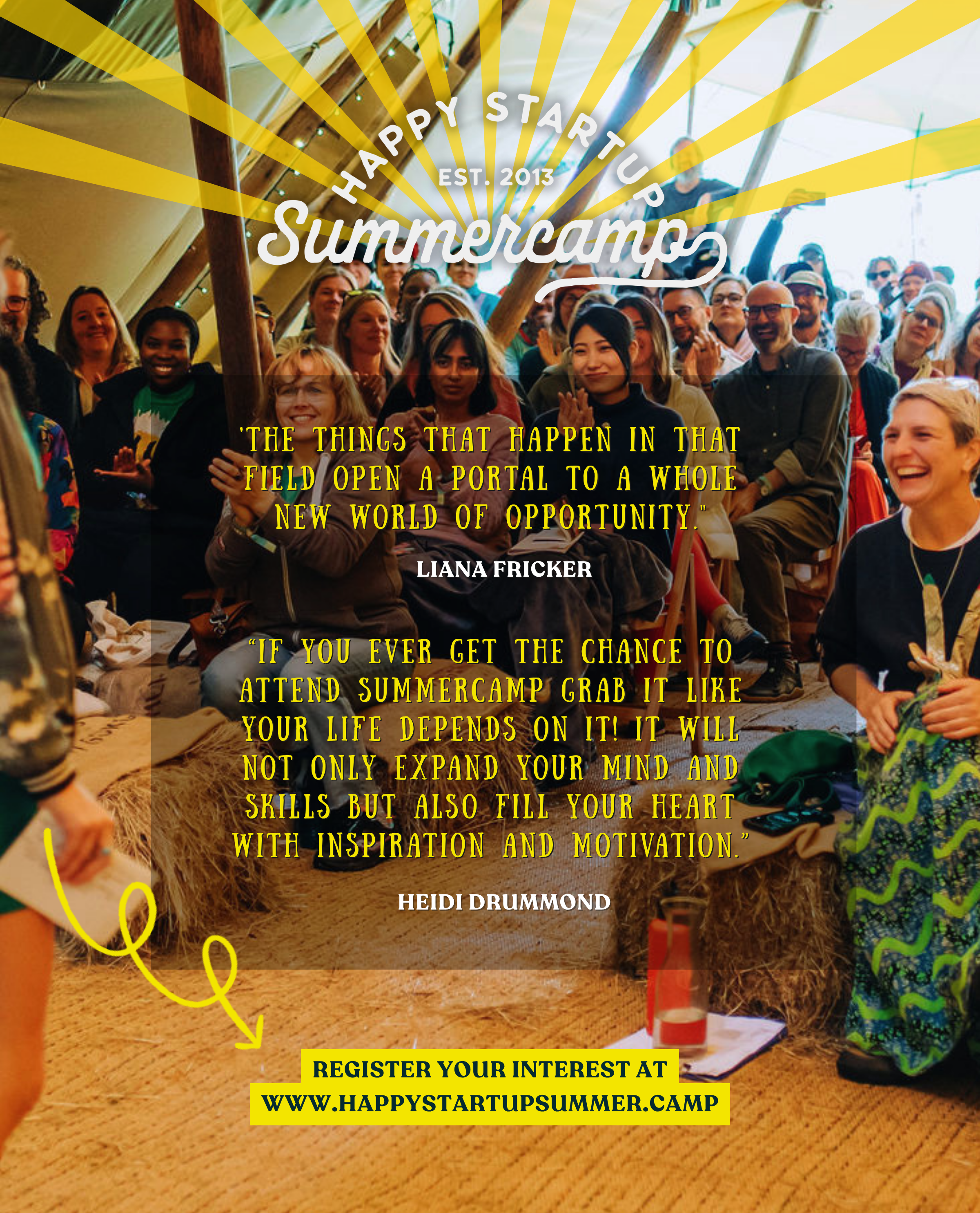
All these activities dovetail nicely with our in-person gatherings like Ideas Café, Alptitude and Summercamp which are like superfood for those seeking inspiration and connection.
And the beauty is, even if you never come to one of our in-person events, you know they exist.
People tell us they feel connected to the community because they can see it.
They know it's there if they need it. And this builds trust from afar.
So how can you accelerate trust, whether through your content or activities?
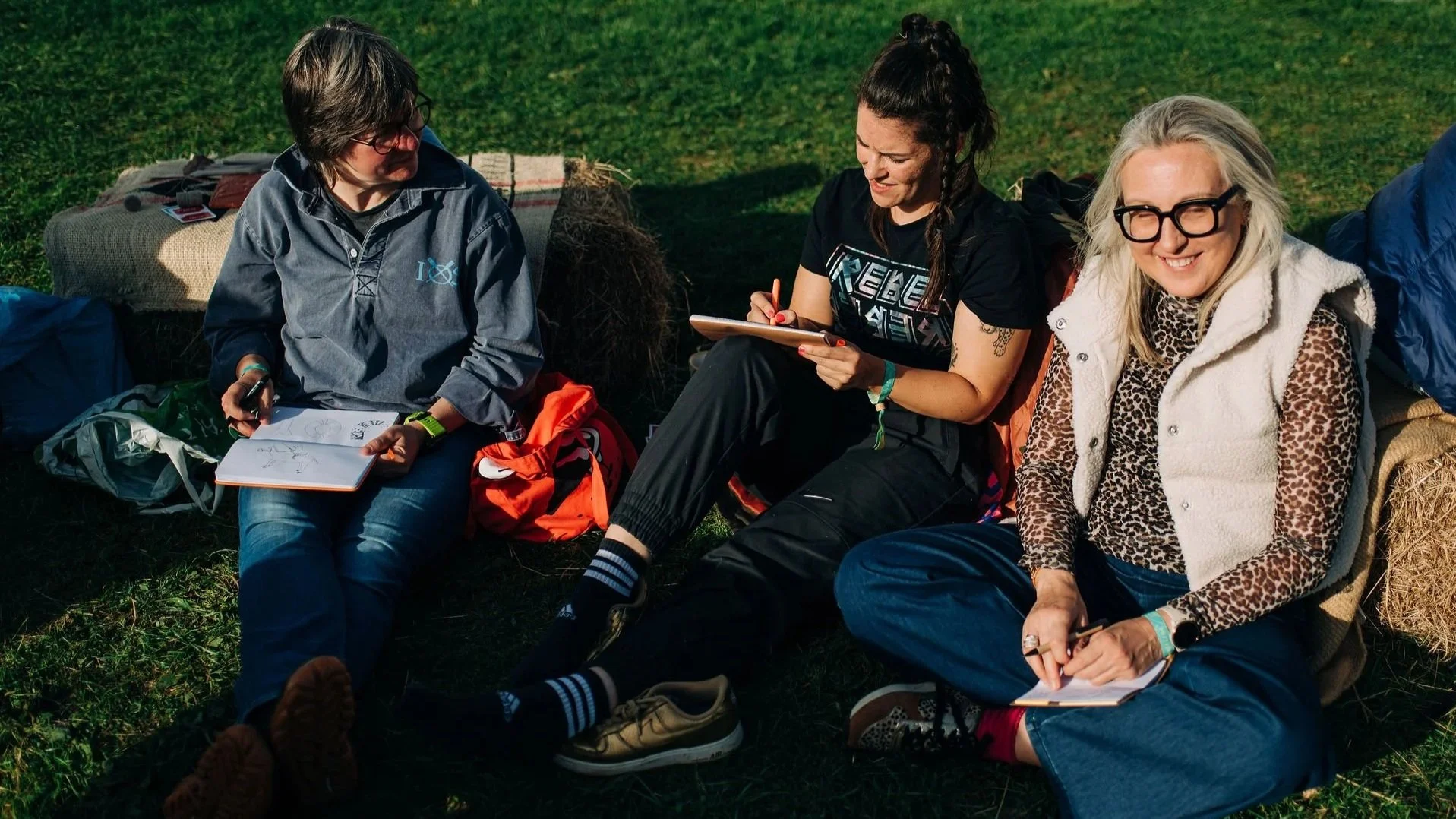
1. Don't be perfect.
AI can do perfect, but what we really want is to be relatable and real. Not polished and on a pedestal. Embrace your quirks and go lo-fi if need be.
2. Be generous.
Trust gets built by how you show up and the impact you have on others. See your presence and work as gifts, and share these widely. Word of mouth is the best marketing strategy there is. And it starts by being of service.
3. Gather live.
It doesn't need to be in person, it can be on Zoom or Crowdcast. But you can't fake real human connection and conversation. Value interaction between people above clever content.
4. Be transparent
If you're using AI, share how. Think about whether the time it saves you comes at the cost of eroding the hard-earned trust you've built. I don't have the answers on what this looks like yet, but it's something I think about a lot.
The point here isn't if AI will have us run to the hills. It's about how we dance with it in a way that builds more connection, not less. That increases trust, not erodes it.
As always, good people will get us through this.
The tech will just amplify what's already there.
So seek them out, gather, share and laugh.

ps. Every word is written by me. If it's slop, it's on me.
And I'm interested to hear your thoughts. Have you experienced this shift? Has anything changed in terms of how you approach your business?